Prickly Pear Cactus (0.6-0.9m)
PLANT AT A GLANCE
 |
Originated in Mexico, the United States and the Carribbean |
|---|---|
 |
Best under full sun to partial sun |
 |
About once every 10-14 days, allow soil to completely dry out between waterings |
 |
Easy to care |
 |
Non-toxic, safe for kids and pets but be careful of small spines |
PLANT SIZE
Plant height/length: 0.6-0.9m
Grow Pot size: 21-30cm
DESCRIPTION
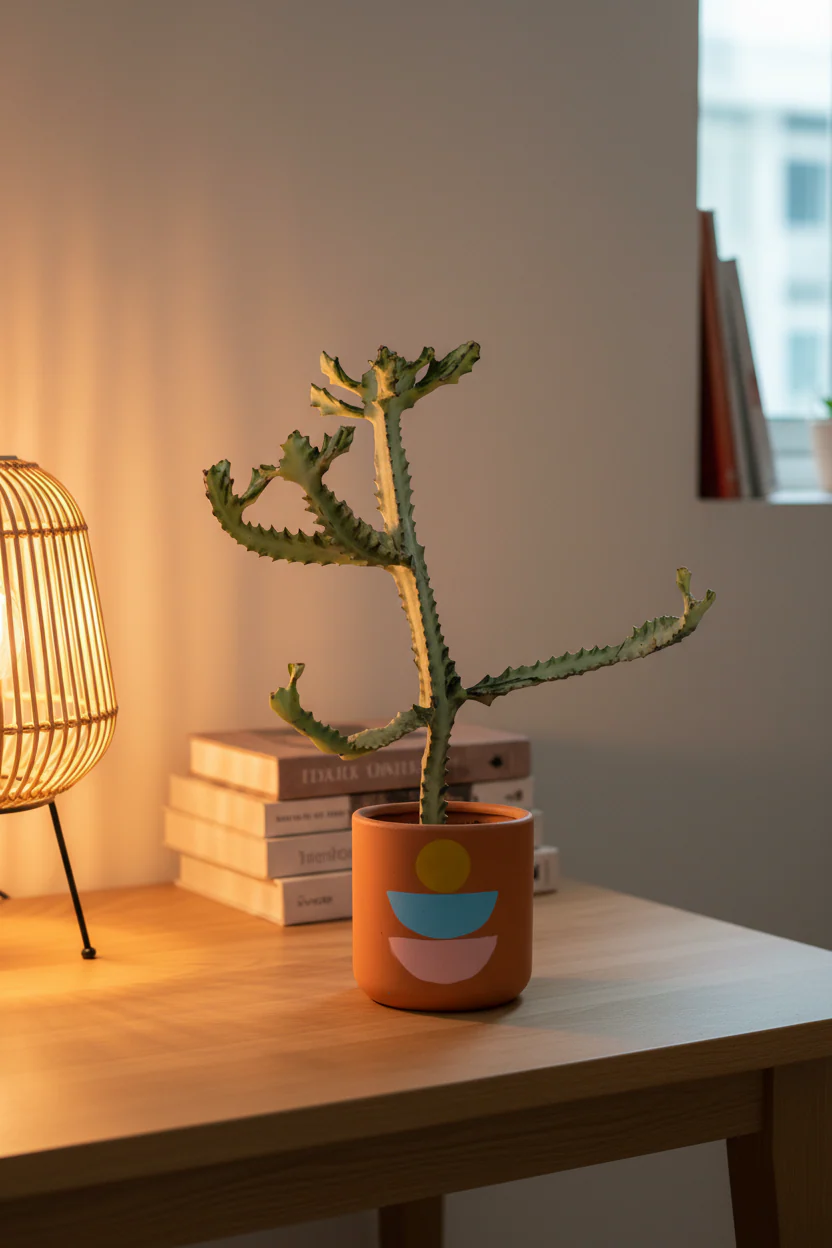
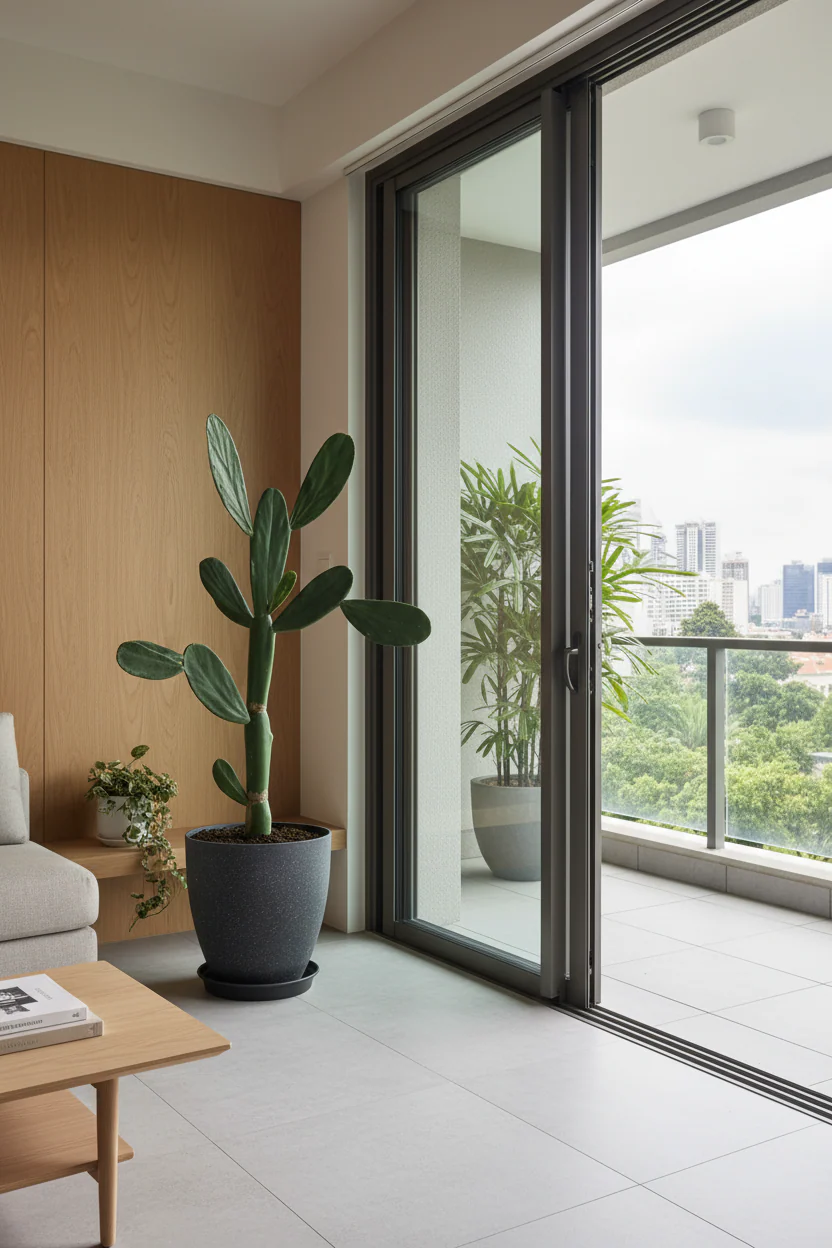
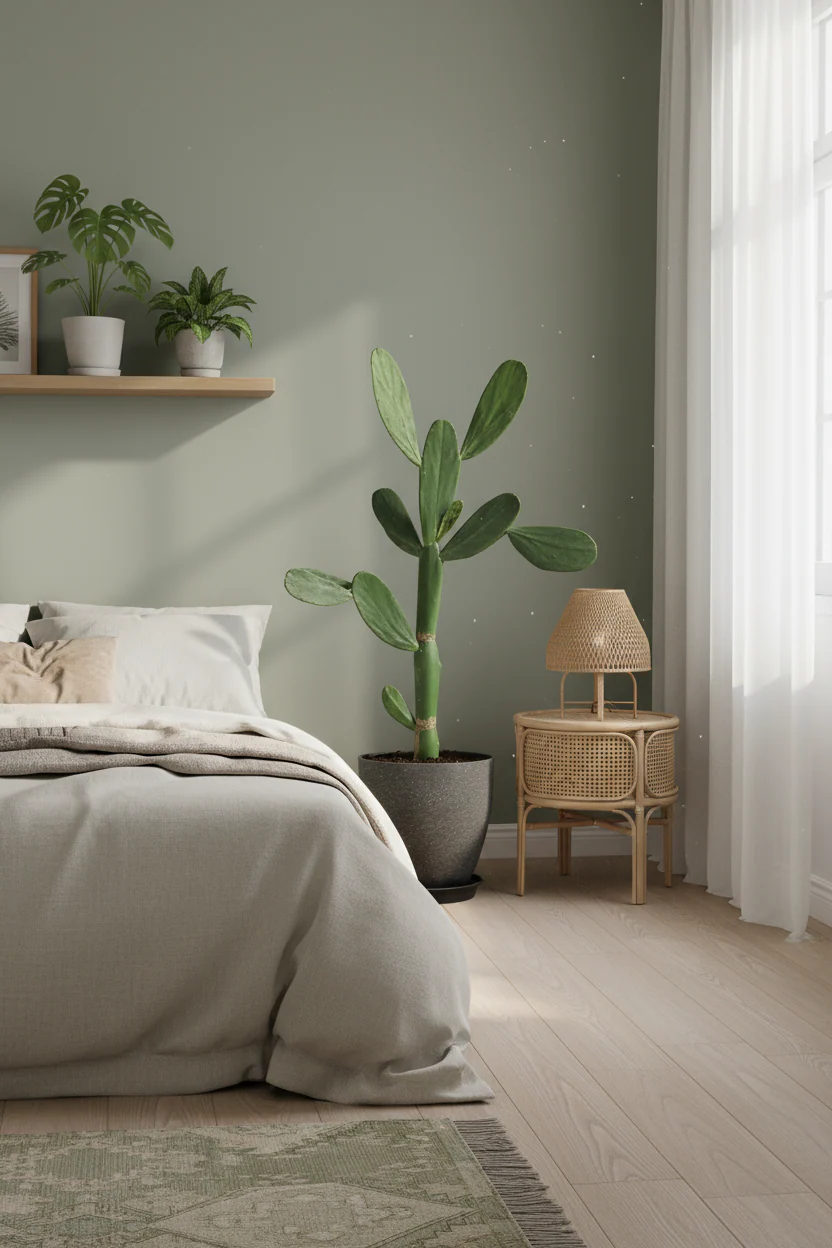
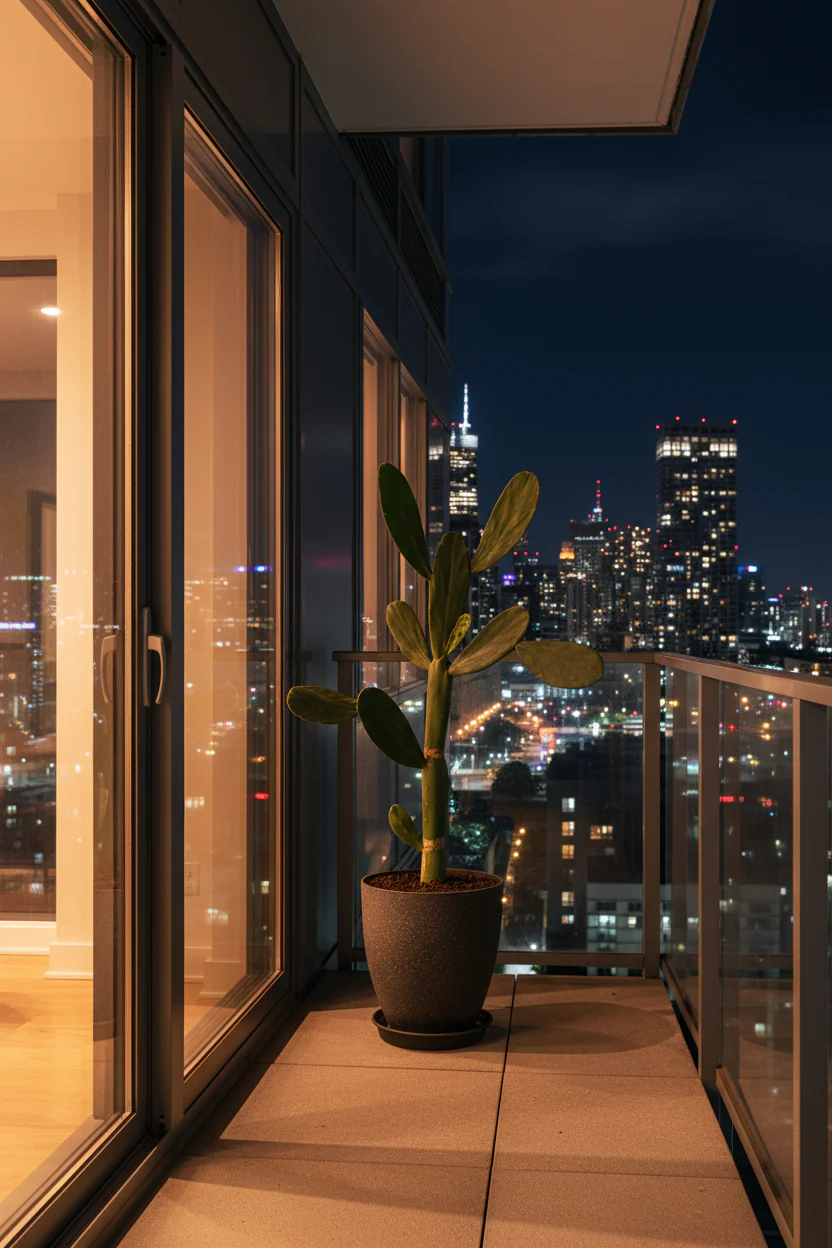
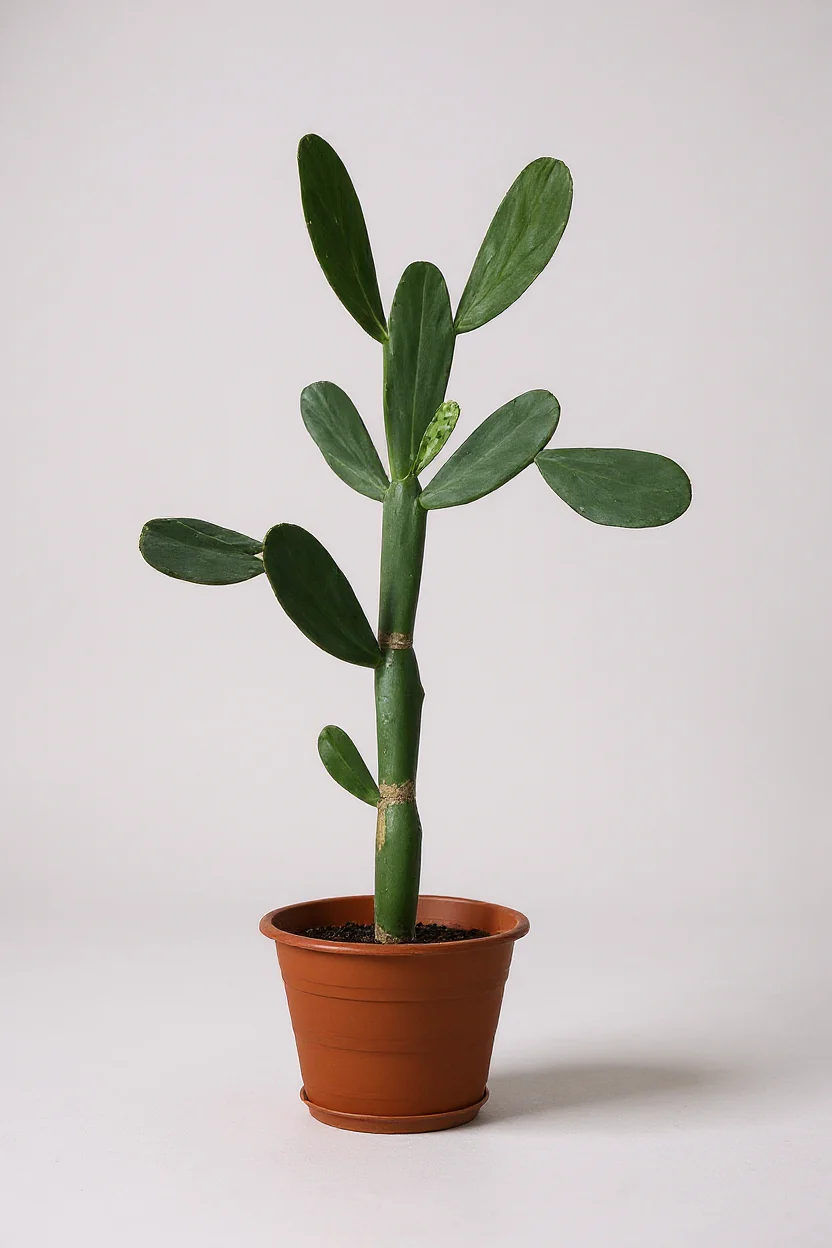
Another characterful cactus from the Americas, Prickly Pear (botanical name Opuntia) are known for their wide paddle shaped stems and colourful edible fruit. We think they make great aesthetic potted plants!
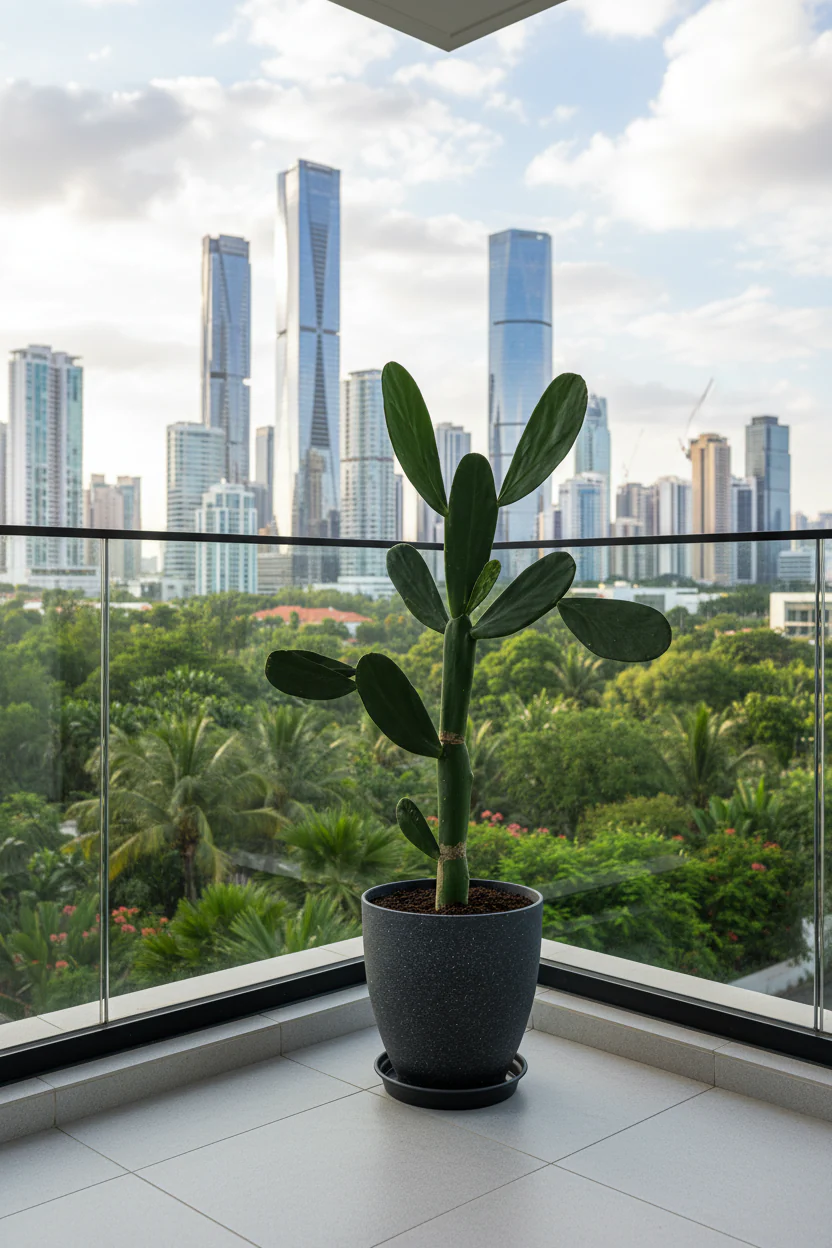
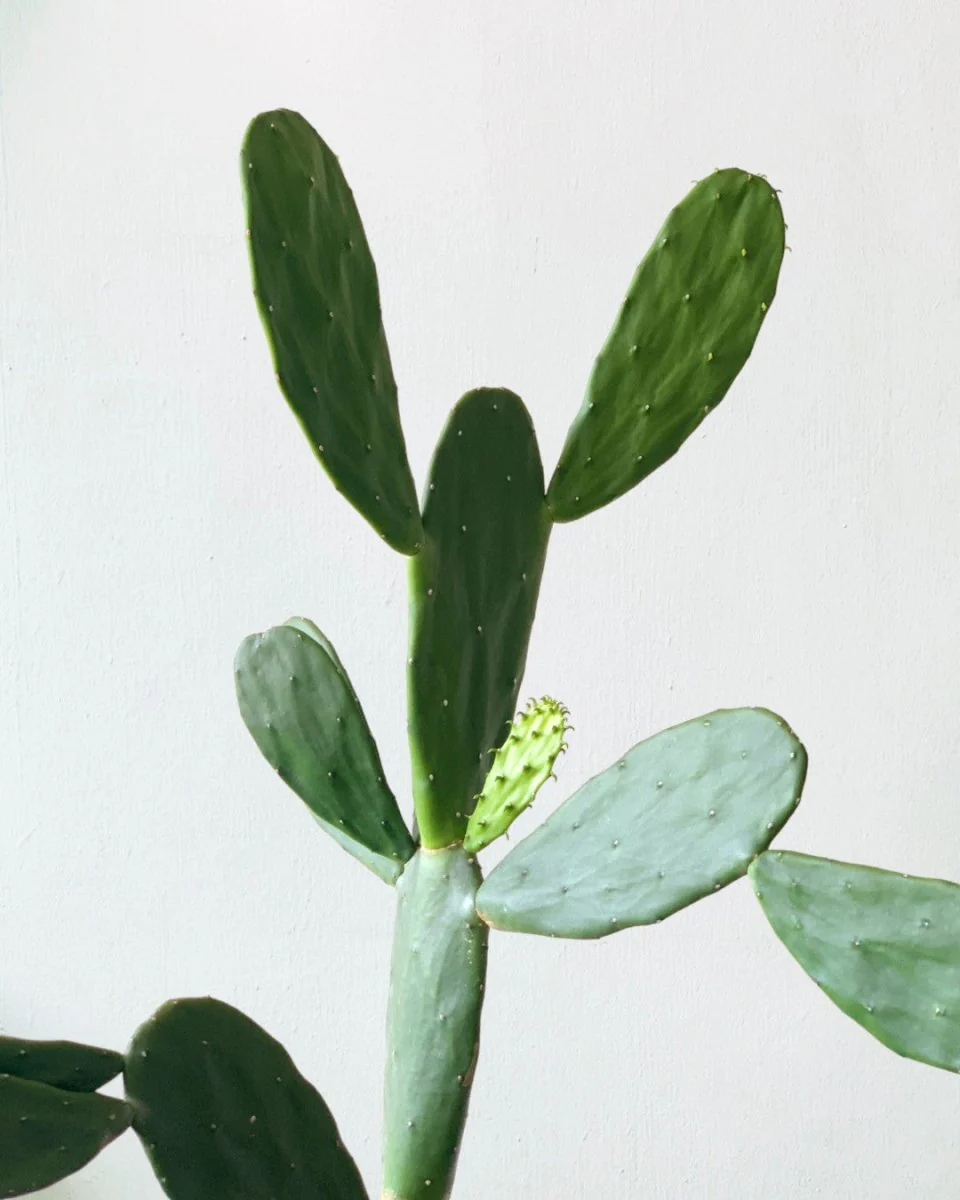
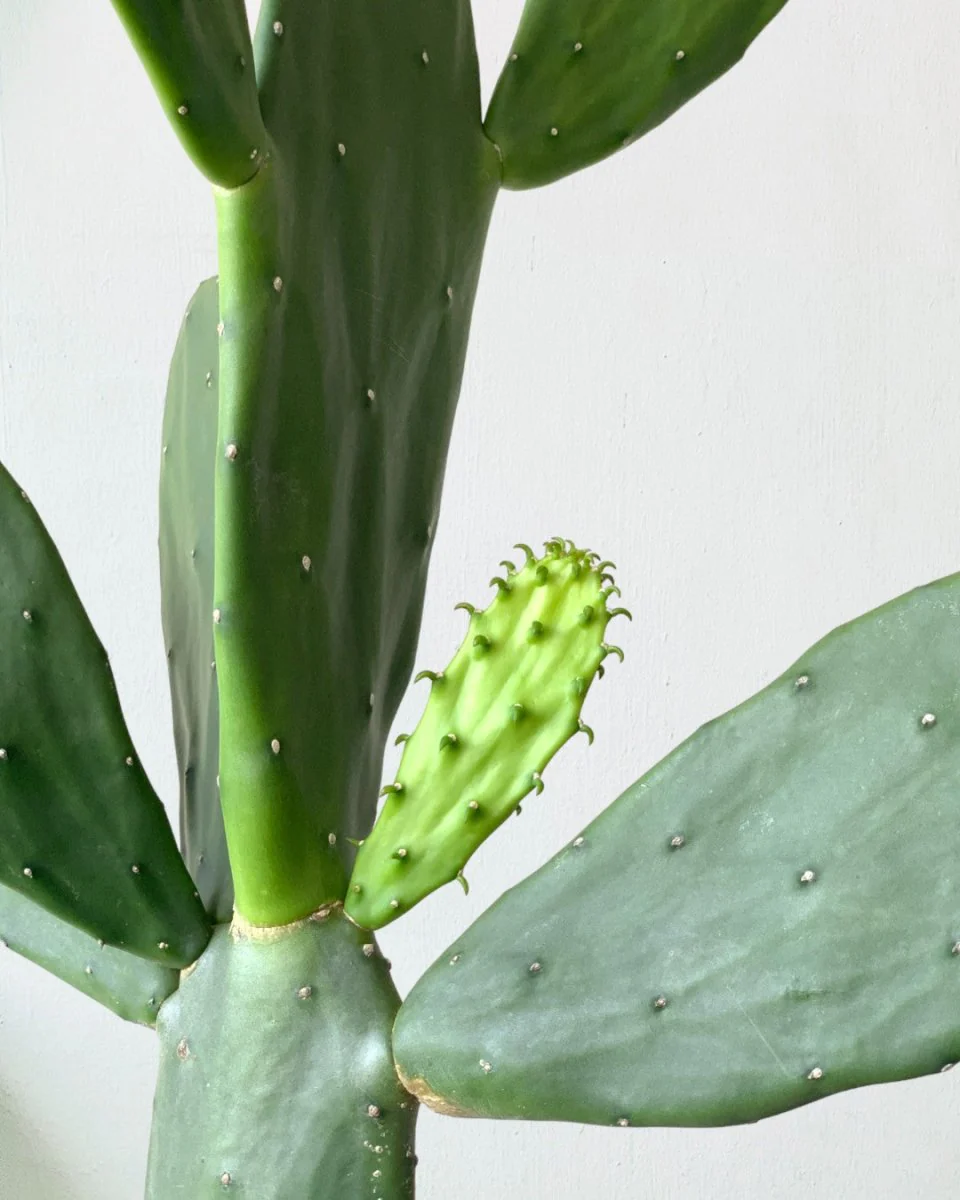
The Prickly Pear has wide green stem pads which are not in fact prickly. Like most cacti they grow fairly slowly, with new pads appearing from the side or top of the existing ones, often in a non-uniform manner and creating a haphazard, 'bolted on' look.
Watering is similar to other cacti and succulent types. Avoid overwatering or letting the plant sit in water. Allow it to completely dry out first before watering, usually once every 10-14 days. The Prickly Pear is best grown in direct light but it will also thrive indoors near a bright indirect light source.
Keep them well maintained with enough light and some nutrition and they may give you one of their eponymous fruits!
Important to know: As plants are natural products, form, pattern and colour will vary.
Original: $102.19
-65%$102.19
$35.77More Images
Prickly Pear Cactus (0.6-0.9m)
PLANT AT A GLANCE
|
Originated in Mexico, the United States and the Carribbean |
|---|---|
|
Best under full sun to partial sun |
|
About once every 10-14 days, allow soil to completely dry out between waterings |
|
Easy to care |
|
Non-toxic, safe for kids and pets but be careful of small spines |
PLANT SIZE
Plant height/length: 0.6-0.9m
Grow Pot size: 21-30cm
DESCRIPTION
Another characterful cactus from the Americas, Prickly Pear (botanical name Opuntia) are known for their wide paddle shaped stems and colourful edible fruit. We think they make great aesthetic potted plants!
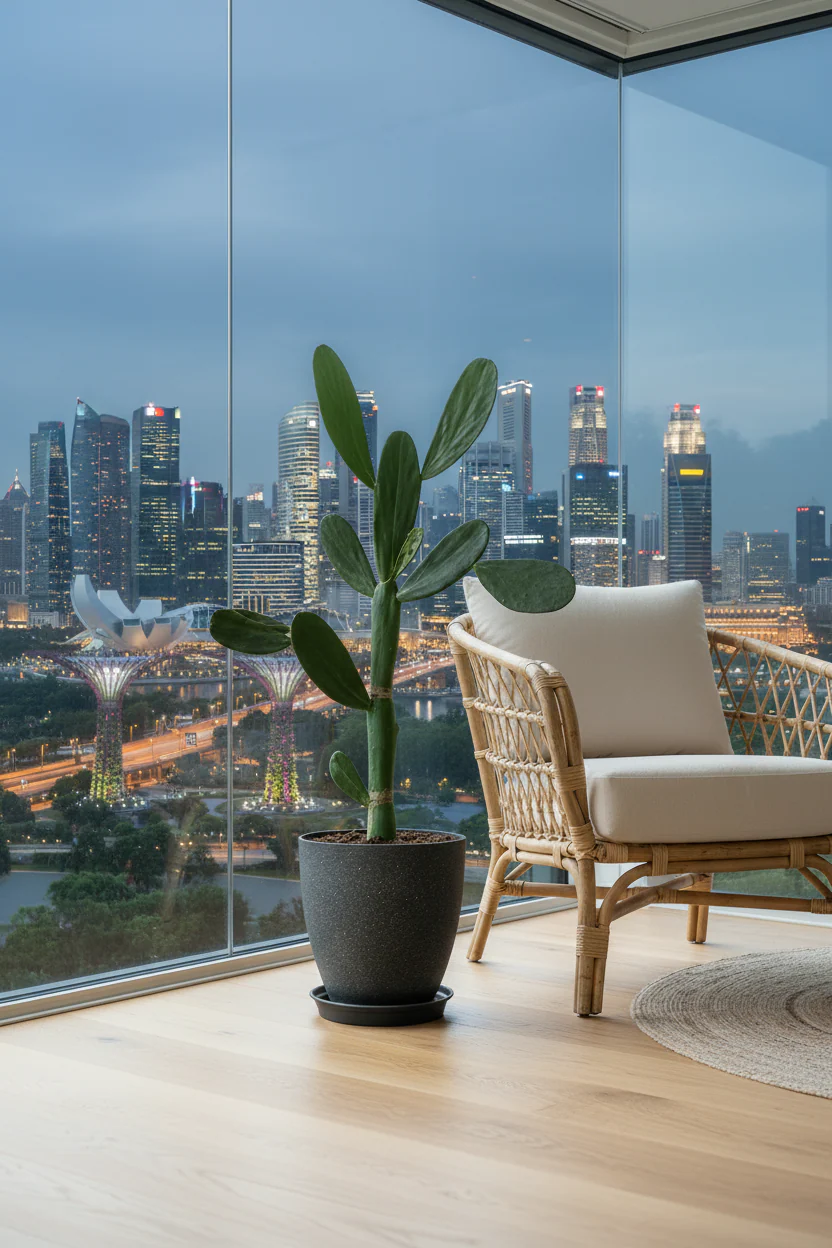
The Prickly Pear has wide green stem pads which are not in fact prickly. Like most cacti they grow fairly slowly, with new pads appearing from the side or top of the existing ones, often in a non-uniform manner and creating a haphazard, 'bolted on' look.
Watering is similar to other cacti and succulent types. Avoid overwatering or letting the plant sit in water. Allow it to completely dry out first before watering, usually once every 10-14 days. The Prickly Pear is best grown in direct light but it will also thrive indoors near a bright indirect light source.
Keep them well maintained with enough light and some nutrition and they may give you one of their eponymous fruits!
Important to know: As plants are natural products, form, pattern and colour will vary.
Product Information
Product Information
Shipping & Returns
Shipping & Returns
Description
PLANT AT A GLANCE
|
Originated in Mexico, the United States and the Carribbean |
|---|---|
|
Best under full sun to partial sun |
|
About once every 10-14 days, allow soil to completely dry out between waterings |
|
Easy to care |
|
Non-toxic, safe for kids and pets but be careful of small spines |
PLANT SIZE
Plant height/length: 0.6-0.9m
Grow Pot size: 21-30cm
DESCRIPTION
Another characterful cactus from the Americas, Prickly Pear (botanical name Opuntia) are known for their wide paddle shaped stems and colourful edible fruit. We think they make great aesthetic potted plants!
The Prickly Pear has wide green stem pads which are not in fact prickly. Like most cacti they grow fairly slowly, with new pads appearing from the side or top of the existing ones, often in a non-uniform manner and creating a haphazard, 'bolted on' look.
Watering is similar to other cacti and succulent types. Avoid overwatering or letting the plant sit in water. Allow it to completely dry out first before watering, usually once every 10-14 days. The Prickly Pear is best grown in direct light but it will also thrive indoors near a bright indirect light source.
Keep them well maintained with enough light and some nutrition and they may give you one of their eponymous fruits!